Your first trip to Vietnam will probably feel like too much at first: too many motorbikes, too many smells, too many tiny stools, too many choices, and somehow not enough time to understand what is happening around you.
That is normal. Vietnam is not difficult, but it does not reward travelers who arrive expecting every street, menu, and conversation to behave like home.
These are the first time in Vietnam tips locals wish tourists knew before landing — not to make you nervous, but to help you move through the country with more ease, less awkwardness, and a lot more respect.
Local Pro Tip: Vietnam becomes much easier when you stop trying to control every moment and start reading the rhythm around you.
1) Traffic is not chaos; it is a moving negotiation
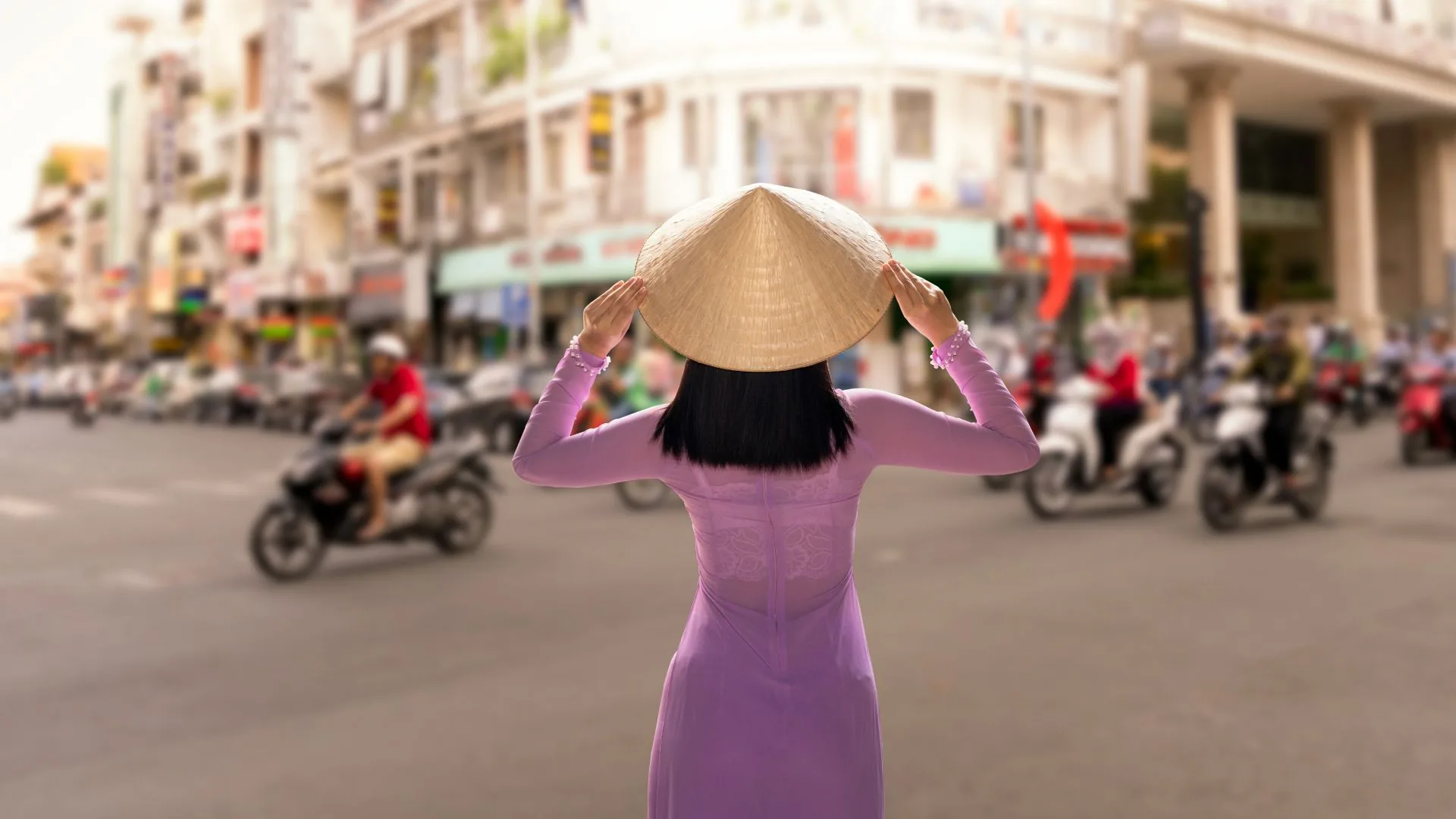
The first big shock is usually the road. Motorbikes slide past in layers, buses breathe heavily at intersections, and someone will absolutely carry flowers, mirrors, chickens, or a whole family on one scooter like this is a normal Tuesday.
Do not sprint across the street like you are escaping a movie explosion. Walk slowly, keep a predictable line, and let riders flow around you.
- Do: cross with calm, steady steps.
- Do not: stop suddenly in the middle of the lane.
- Best beginner move: follow a local crossing the same direction, but do not stick to them like glue.
2) Bargaining is normal in some places, rude in others
Markets can be playful, noisy, and full of tiny negotiations. A vendor may start high, you smile, counter gently, and everyone survives.
But bargaining over a bowl of noodles, a family coffee stall, or a fixed-price convenience store is not “local culture.” It is just awkward.
- Bargain at: souvenir markets, some clothing stalls, tourist-heavy street vendors.
- Do not bargain at: restaurants with menus, cafés, convenience stores, Grab rides, ticket counters.
- Good rule: if the price is printed clearly, respect it.
3) Keep small cash or you will slow everything down
Vietnam is getting more digital, but small cash still makes daily life smooth. Street food, parking, tea stalls, temples, markets, and quick snacks often move faster with small notes.
Nobody wants to break a giant bill for your 20,000 VND iced tea while ten people wait behind you.
- Carry: 10,000 / 20,000 / 50,000 / 100,000 VND notes.
- Use cards for: hotels, nicer restaurants, malls, bigger tours.
- Local habit: fold notes neatly and pay without waving cash around.
4) Tipping is appreciated, not usually demanded
Vietnam does not have a heavy tipping culture like the US. You will not be chased down the street because you forgot a percentage.
Still, a small tip can be kind when someone genuinely helps: a hotel porter carrying bags upstairs, a guide who answers every question, a driver waiting patiently, or a spa therapist who did excellent work.
- Restaurants: optional; round up or leave 20,000–50,000 VND for good service.
- Guides/drivers: tip more if they made your day easier.
- Street food: usually no tip needed; pay the price and smile.
5) Vietnam starts early, rests hard, and wakes again at night
If you plan Vietnam like a noon-to-midnight city, you will miss half the good stuff. Markets, phở shops, fishing docks, and local breakfasts often peak before many tourists finish their hotel coffee.
By early afternoon, the heat can flatten your ambition. Smart travelers go out early, slow down at midday, and come alive again after sunset.
- Best active window: 6:00–10:30 AM and after 4:30 PM.
- Use midday for: cafés, museums, massage, laundry, naps.
- Do not: stack outdoor attractions back-to-back at 1 PM and blame Vietnam.
6) Take off your shoes when the space tells you to
In homes, some homestays, temples, small local spaces, and certain boutique shops, shoes may stay outside. You will usually see a pile near the door — that is your hint.
Vietnamese people may not correct you loudly because they do not want to embarrass you, but they will notice.
- Look for: shoe racks, sandals lined up, raised floors, temple entrances.
- Temple rule: dress modestly and step quietly.
- Easy fix: wear shoes you can slip on and off fast.
7) Do not photograph people like they are decorations
Vietnam is photogenic in a way that makes travelers lose their manners. Conical hats, shoulder-pole vendors, old men drinking tea, women cooking over charcoal — yes, it looks beautiful.
But those are people working, resting, praying, or simply existing. Ask before close portraits, especially in markets and villages.
- Safe photos: streetscapes, food, buildings, wide market scenes.
- Ask first: close faces, children, vendors, monks, private rituals.
- Never block: a working stall just to stage your shot.
8) Street food is safest when turnover is fast
The best street food does not always look polished. It often looks busy, steamy, loud, and slightly chaotic.
Freshness here is about turnover. If locals are eating quickly, pots are hot, herbs look alive, and the vendor keeps cooking, that is usually a better sign than an empty “tourist-safe” restaurant with laminated menus in six languages.
- Choose: busy stalls with hot food and fresh herbs.
- Avoid: lukewarm trays sitting too long in the sun.
- Bring: hand sanitizer, but do not act disgusted by every plastic stool.
9) Grab is useful, but walking teaches you the city
Grab makes Vietnam easier, especially in Hanoi and Ho Chi Minh City. It saves arguments, shows prices upfront, and helps when heat or rain turns your plan soft.
But if you Grab every ten-minute distance, you will miss the alley coffee, the incense smoke, the bread cart, the temple corner, and the tiny details that make Vietnam feel alive.
- Use Grab for: airport runs, rain, late nights, long distances.
- Walk for: Old Quarter lanes, riverside streets, food areas, café neighborhoods.
- Check: license plate before getting in.
10) Do not overpack the itinerary
Vietnam looks small on a map until you try to move through it. Mountains, coast, traffic, weather, airport transfers, and bus delays all eat time.
A trip that says Hanoi, Ha Long, Ninh Binh, Da Nang, Hoi An, Hue, Da Lat, Saigon, Mekong, and Phu Quoc in ten days is not ambitious. It is punishment with nice photos.
- Better pace: 2–3 regions for ten days.
- Add buffer: after flights, overnight buses, cruises, and rainy-season moves.
- Need help: use our Create Your Plan tool before locking the route.
11) Vietnam is not one culture with one weather forecast
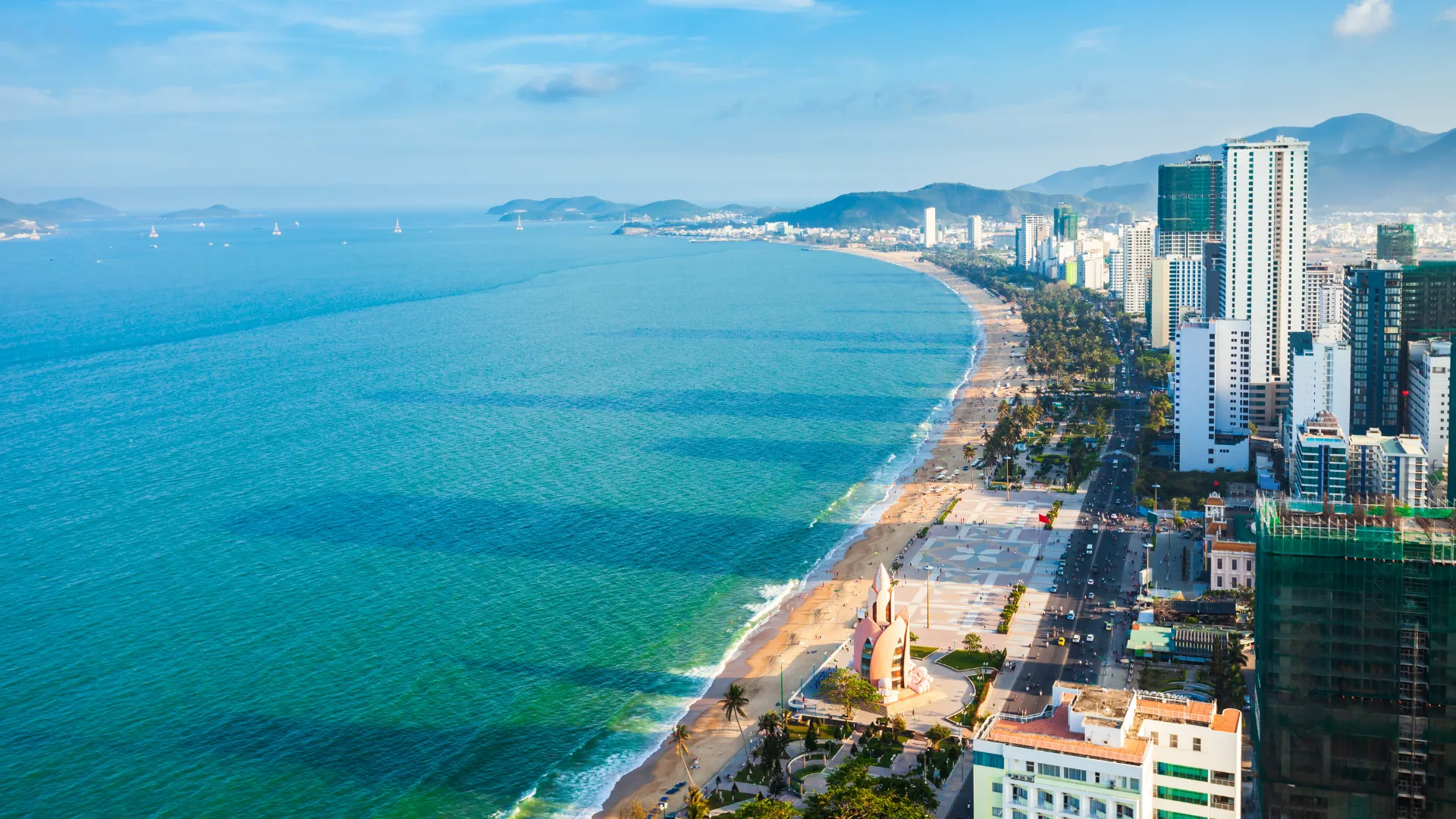
Northern Vietnam can feel misty, layered, old, and seasonal. Central Vietnam has beaches, heat, storms, heritage towns, and fierce food pride. Southern Vietnam is warmer, faster, more open late, and easier for night eating.
Do not assume what works in Saigon works in Hanoi, or what feels normal in Hoi An applies in Ha Giang.
- North: more seasonal; winter can be damp and cold.
- Central: watch storm season and beach weather.
- South: hot, humid, and more consistently tropical.
12) English helps, but patience helps more
In tourist areas, many people speak enough English to sell, guide, host, or help. Outside those zones, English may drop quickly.
Speaking louder will not translate you. Smile, simplify your sentence, use gestures, show the address in Vietnamese, and keep the mood light.
- Useful words:
xin chàohello,cảm ơnthank you,bao nhiêu?how much? - Use: Google Translate for addresses and food names.
- Do not: mock pronunciation or imitate accents.
13) Respect temples, altars, and family spaces
Vietnamese spirituality is woven into daily life. You will see tiny altars in shops, incense at doorways, offerings on sidewalks, and temple corners tucked between noisy streets.
Do not step over offerings, touch altar objects, point your feet at sacred spaces, or treat prayer areas like photo booths.
- Wear: covered shoulders and respectful clothing in temples.
- Move: slowly and quietly.
- If unsure: watch what locals do first.
14) Scams exist, but paranoia ruins the trip
Yes, tourist scams happen: overpriced taxis, unclear menus, shoe cleaning traps, fake “official” helpers, and surprise charges. But most people you meet are not trying to trick you.
Be alert without becoming rude. Confirm prices before services, use reputable booking channels, check reviews, and walk away politely if something feels off.
- Use: Grab or reliable taxis from airports.
- Confirm: price, route, inclusions, and currency.
- Remember: confidence is good; suspicion toward everyone is exhausting.
15) The best moments are usually not the famous ones
You will remember Ha Long Bay, lanterns, pagodas, and viewpoints. Of course you will.
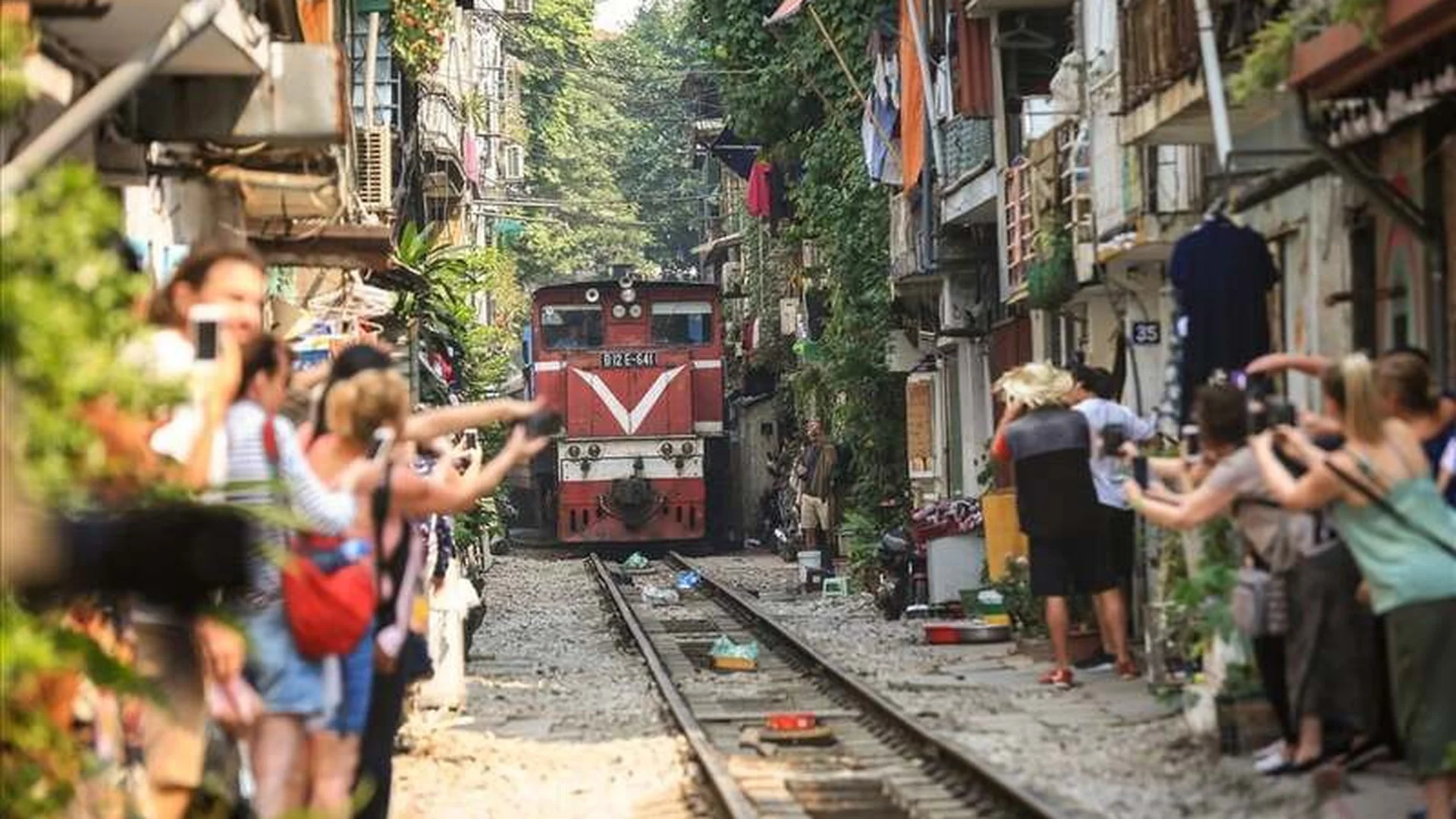
But Vietnam often lands deepest in smaller moments: the smell of grilled pork under a rain awning, a café owner moving your fan closer, a train horn in the distance, a bowl of noodles at 6 AM, a grandmother laughing because you tried one Vietnamese word badly but sincerely.
- Leave room for: slow mornings, market wandering, local coffee, accidental snacks.
- Do less: if doing more makes you stop noticing.
- Travel rule: Vietnam rewards attention more than speed.
Plan Your First Vietnam Trip Without Guessing
If you want these tips turned into a route that actually fits your dates, budget, food style, and travel speed, start with our Create Your Plan tool.
For more practical planning basics, browse our Vietnam travel tips hub.
And if you want real-time questions answered by travelers on the ground, join the Vietnam Travel Facebook Group before you go.